


Mission & Values
What can the next shift know for themselves?
The last bottle has left the line. The operator who saw it is going home. You’re taking over. Your colleague says the last three bottles came through. How would you check?
Scroll through the handover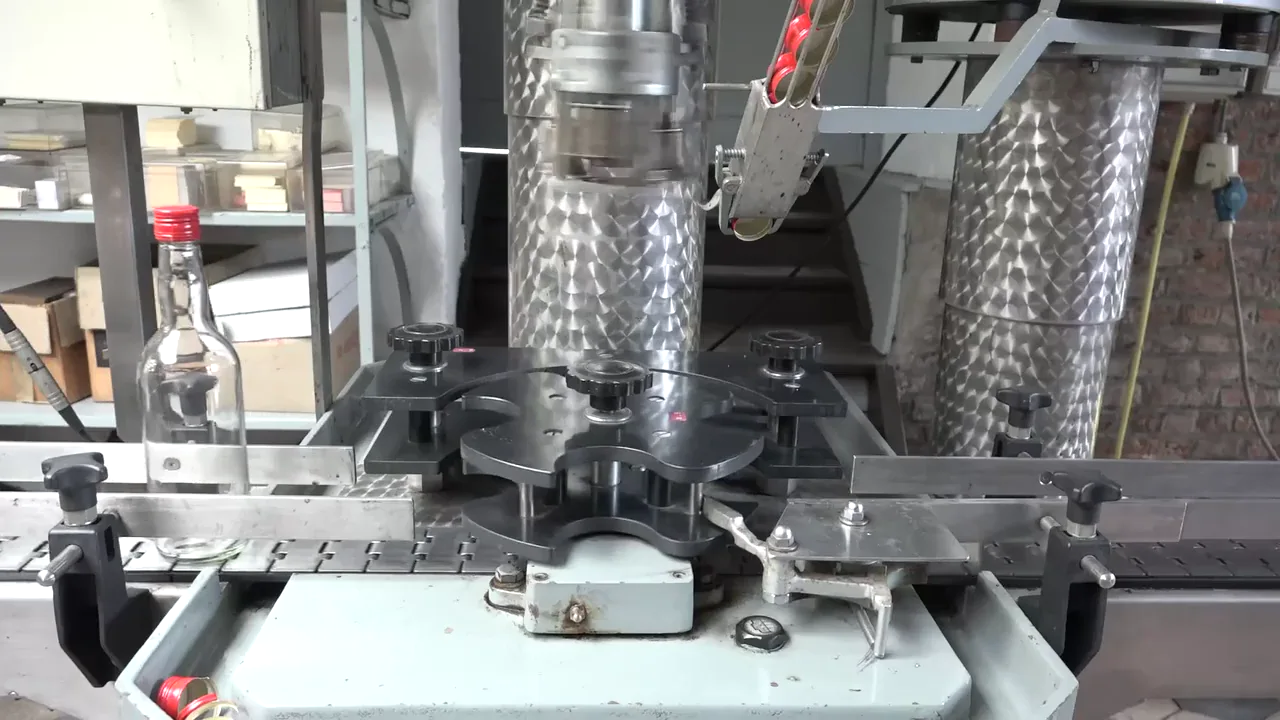
Our mission
Did all three bottles reach the exit?
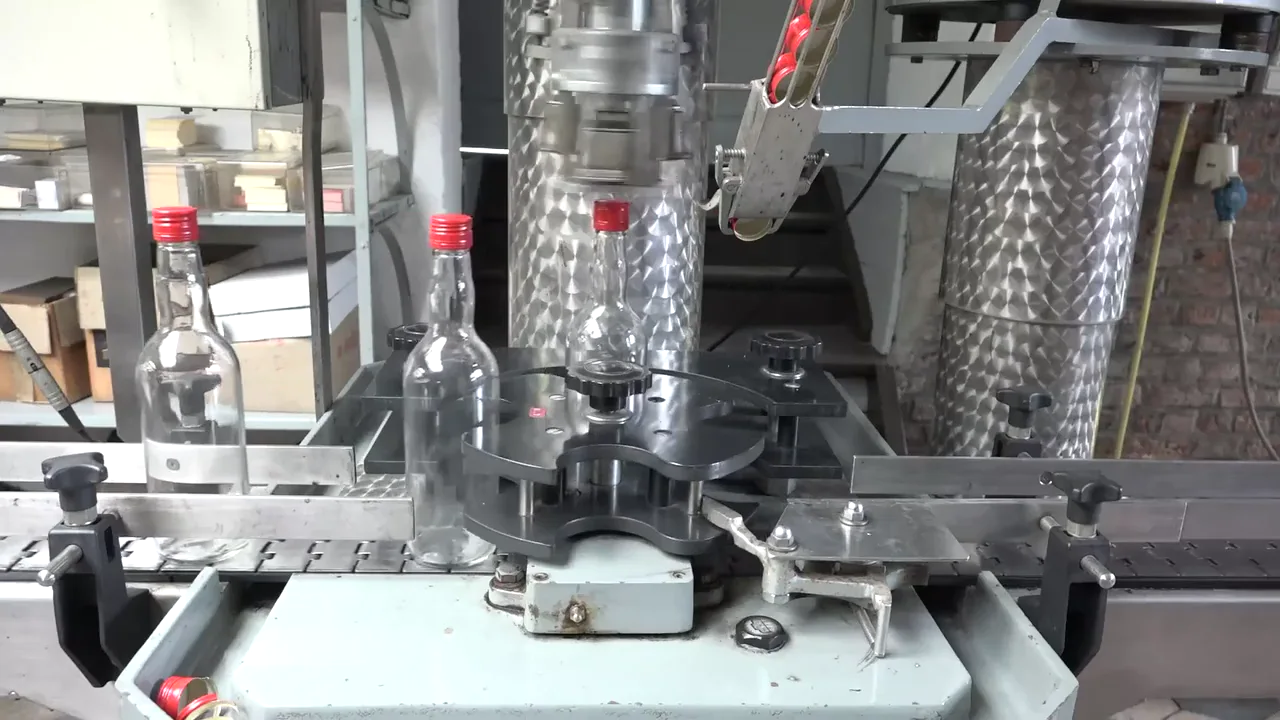
Our mission is to build the data foundation for autonomous factories, starting with the lines people already run. At this handover, you can replay the last nine seconds of your colleague’s shift and follow each cap from the capper to the exit rail.
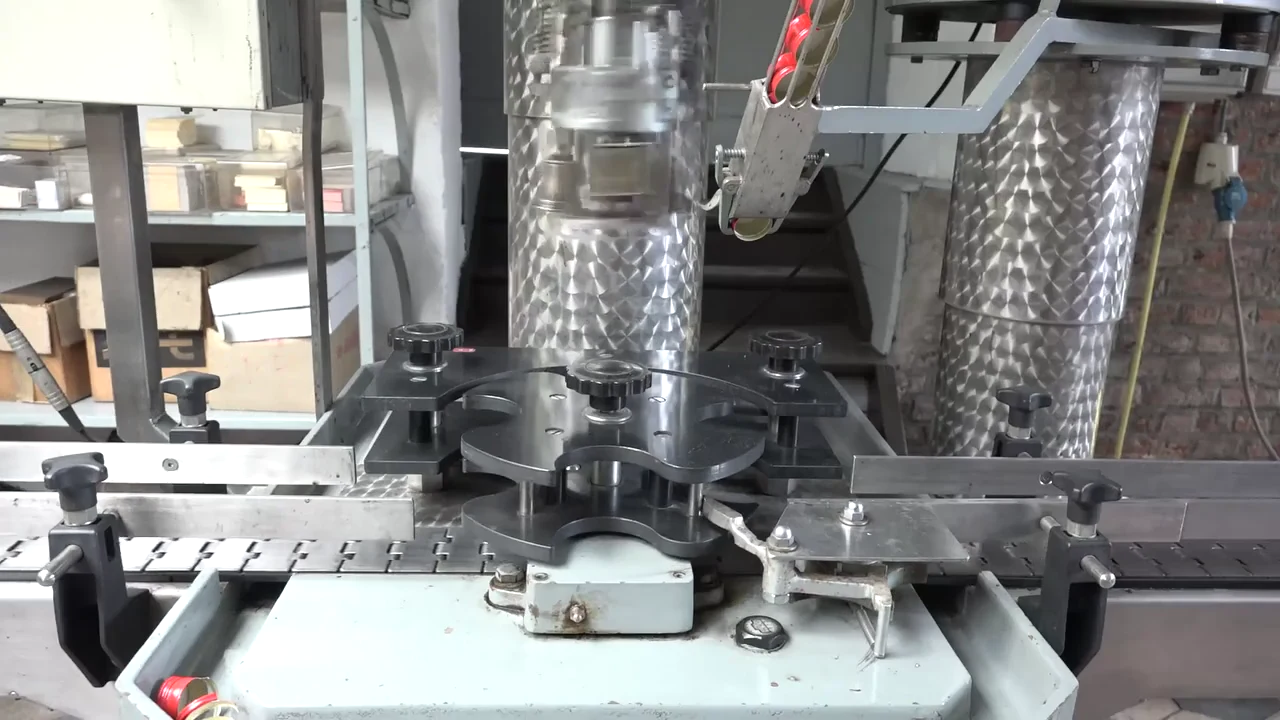
Three at the capper. Three at the exit.
The letters on the rail match the tracks below. Each pulse at A marks a cap leaving the capper. Find its partner at B on the exit rail. You can count three pairs. Both points stay clear after 6.4 seconds.
What do you still need to see?
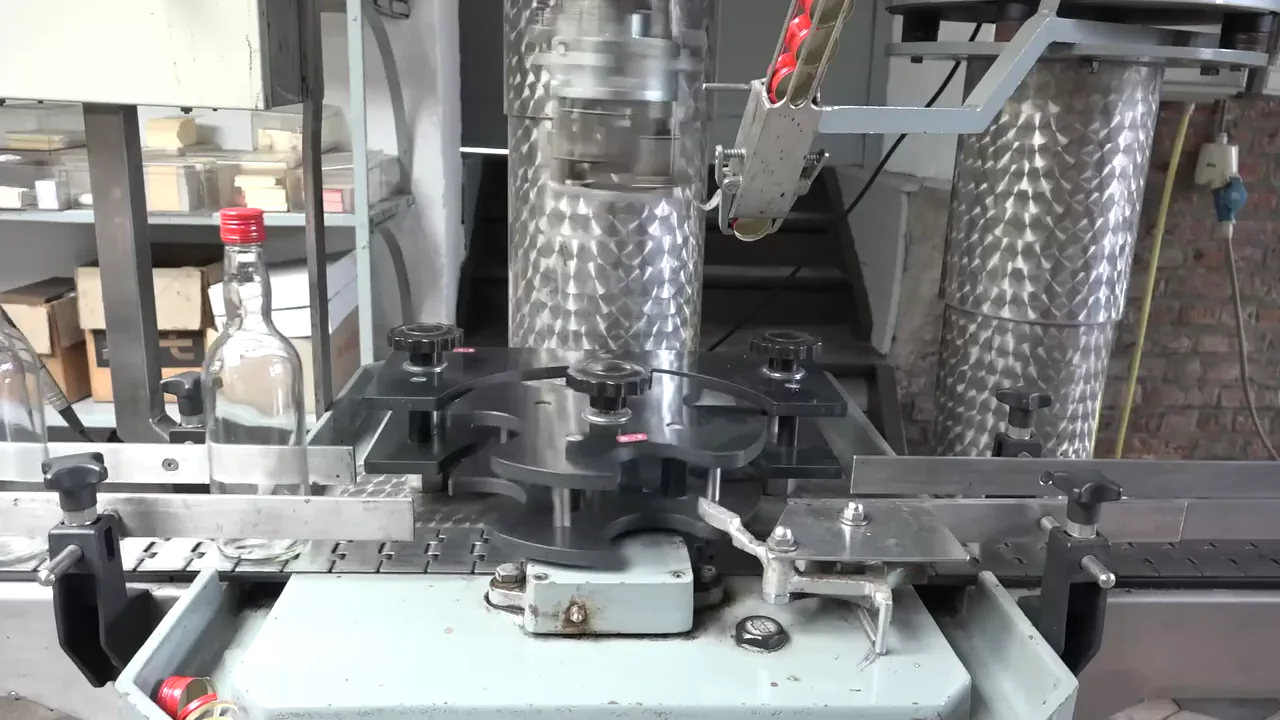
Look at 5.5 seconds. Both tracks read clear while the last bottle is still between A and B. You can confirm the crossings from the record. To accept the line, you’ll also need to see that stretch of rail for yourself.
Our values / Access
Start with the capper you already run.
You can count three pulses on each track yourself. We want a small bottler to afford that view on its existing line. That means counting the cost of wiring two inputs, teaching the crew to read them and keeping them working.
Our values / Climate responsibility
Where would you look for a missing bottle?
In this run the last bottle took 1.2 seconds to reach B from A. On your shift, an unmatched pulse would give you a place to look before more filled bottles pile up. To assess the effect on CO₂ emissions, you’d also need to measure the glass and product saved.
Our values / Accountability
Leave a reading anyone on shift can check.
The last cap reached A at 4.8 seconds and B at 6.0. Those timestamps go in your handover note. The next crew, or a colleague preparing a compliance review, can return to the same two pulses and check your account.
Our values / Human agency
Do you accept the handover?
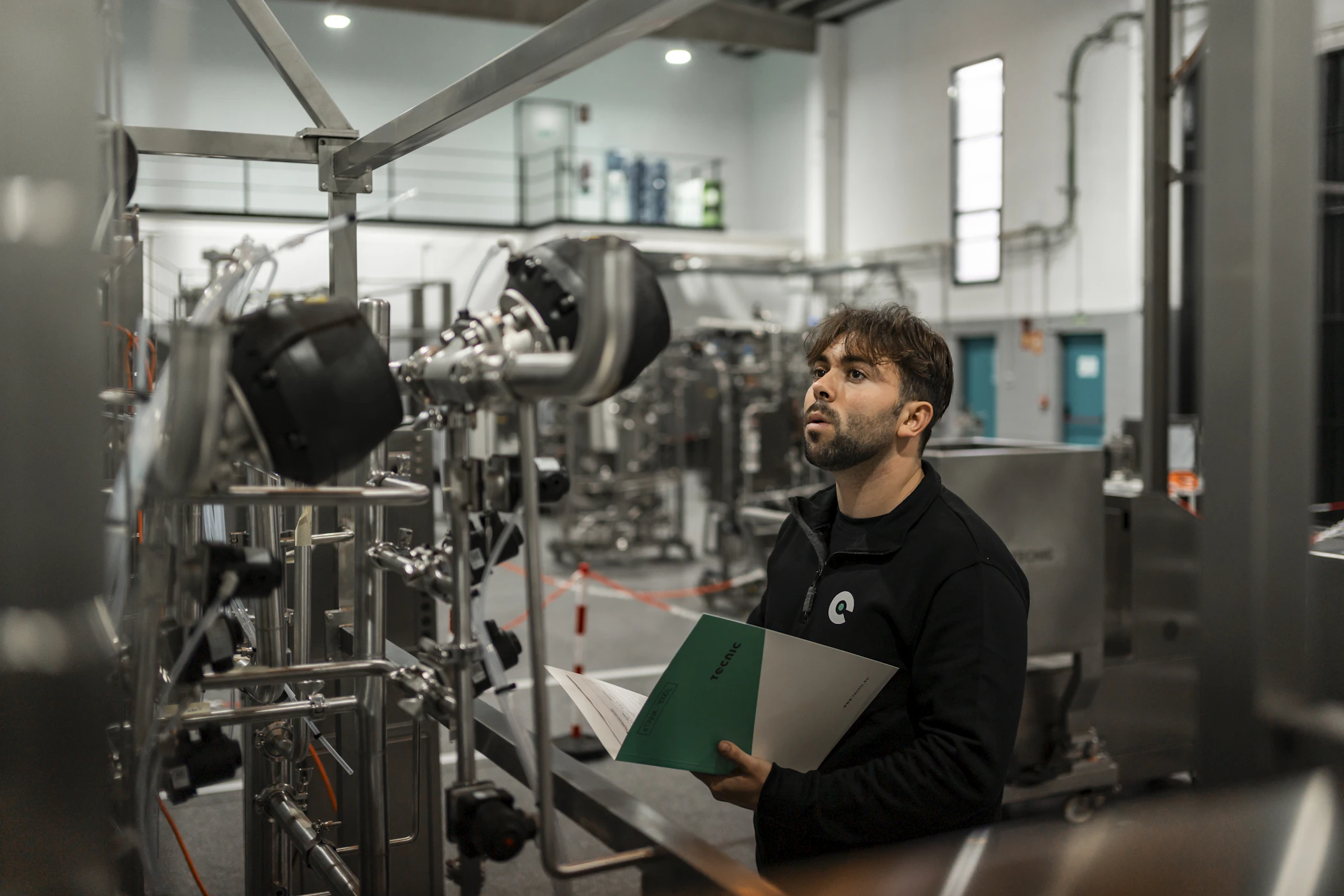
Both points read clear. You walk the rail between them. If you find a bottle caught there, you hold the handover and record what you found. When you’re satisfied, you accept the line. Keeping that authority with you as the factory gains autonomy is our commitment to Industry 5.0.
About the footage and process record
Work With Sounds / La Fonderie filmed the capping line at a Belgian distillery. Each trace marks a red cap passing one of the two marked points in that film, sampled every 0.1 seconds. The R24 supports this type of binary recording with a compatible input card. The operator’s handover illustrates how a crew could use the readings.
Original factory film · CC BY 3.0 · Operator photograph by TECNIC Bioprocess Solutions / Unsplash